Table of Contents
ToggleIntroduction
The world is at a tipping point when it comes to environmental awareness, and real estate is no exception. As more people recognize the impact of their choices on the planet, sustainability has become a primary focus in the real estate market. Eco-friendly homes, once considered a luxury, are now seen as the new standard, particularly as we look ahead to 2026. The shift towards sustainable living is not just a passing trend but a permanent change in how properties are designed, built, and valued.
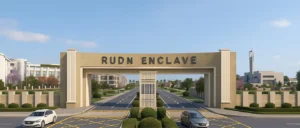
As the demand for sustainable living grows, developments like RUDN Enclave, which focus on eco-friendly real estate solutions, are leading the way in shaping a more sustainable future for homeowners.
What Makes a Property Eco-friendly?
An eco-friendly property is designed to minimize its environmental impact while maximizing efficiency and sustainability. Several key factors contribute to making a property eco-friendly:
Energy-efficient Appliances, Solar Panels, and Smart Thermostats
Homes today are becoming smarter and more energy-efficient. Energy-efficient appliances and smart thermostats help homeowners reduce energy consumption, leading to lower utility bills and a smaller carbon footprint. Solar panels are also becoming a standard feature, enabling homeowners to generate their own electricity, further reducing reliance on traditional energy sources.
Sustainable Materials
Eco-friendly homes are often built with sustainable materials such as bamboo, recycled metals, and non-toxic paints. These materials not only have a lower environmental impact but also promote better indoor air quality. Sustainable construction practices, such as using reclaimed wood and energy-efficient insulation, are increasingly being adopted by developers worldwide.
Green Certifications and Building Codes
Green building certifications like LEED (Leadership in Energy and Environmental Design) and BREEAM (Building Research Establishment Environmental Assessment Method) are becoming standard for eco-friendly real estate developments. These certifications ensure that buildings meet specific environmental standards in terms of energy use, water conservation, air quality, and sustainable materials.
In developments like RUDN Enclave, these green certifications are becoming a key selling point, showing a commitment to sustainable living and responsible development.
Consumer Demand for Sustainable Homes
As awareness of environmental issues grows, more buyers are seeking homes that align with their values. This demand is particularly strong among younger generations like Millennials and Gen Z, who are increasingly prioritizing sustainability in their purchasing decisions.
How Millennials and Gen Z Prioritize Sustainability
Millennials and Gen Z are the future homebuyers, and they are more likely to purchase homes that meet sustainability standards. These generations have grown up with the understanding that climate change is a pressing issue, and they want to make choices that positively impact the planet. As a result, eco-friendly homes are seen as not only a practical investment but also a reflection of their values.
Case Studies of Popular Eco-friendly Developments
Across the globe, we’re seeing a rise in developments that prioritize sustainability. For example, the One Central Park in Sydney, Australia, boasts a vertical garden and energy-efficient design, making it one of the world’s most eco-friendly developments. Similarly, RUDN Enclave in Pakistan is setting the standard for environmentally responsible real estate by incorporating green building techniques, energy-efficient infrastructure, and sustainable materials into its design.
The Role of Real Estate Developers
Real estate developers play a critical role in the widespread adoption of sustainable living practices. As the demand for green homes continues to rise, developers are adapting their strategies to meet the expectations of environmentally-conscious buyers.
How Builders Are Adapting to Meet the Demand for Green Homes
Today’s developers are incorporating energy-efficient designs, renewable energy sources, and eco-friendly materials into their projects. By doing so, they not only reduce the environmental footprint of their developments but also increase the appeal of their properties to buyers who prioritize sustainability. For example, RUDN Enclave features green spaces, renewable energy integration, and efficient water management systems, making it a top choice for those looking for sustainable living options.
Government Incentives for Green Building Practices
Governments worldwide are offering incentives for green building practices. These can include tax breaks, rebates, and reduced fees for developments that meet certain sustainability standards. As eco-friendly construction becomes more common, these incentives will likely increase, making it easier for developers to adopt sustainable practices and for homebuyers to afford eco-friendly properties.
Economic and Environmental Benefits
The shift toward sustainable real estate offers significant economic and environmental benefits for both homeowners and developers.
The Cost Savings Associated with Sustainable Homes
Eco-friendly homes offer long-term cost savings. Energy-efficient homes have lower operating costs, thanks to features like solar panels and energy-efficient appliances. Tax incentives for green buildings further reduce costs for homeowners. Additionally, sustainable homes tend to have higher resale values, making them a smart investment for the future.
Long-term Environmental Impact
The long-term environmental benefits of sustainable real estate are undeniable. Eco-friendly homes help reduce greenhouse gas emissions, conserve water, and minimize waste. By choosing sustainable homes, homeowners contribute to reducing their carbon footprints and promoting biodiversity.
At developments like RUDN Enclave, the integration of green spaces, renewable energy, and eco-conscious building practices ensures that the environmental impact is minimized, contributing to a greener future.
Conclusion
Sustainable living is no longer a niche market but a mainstream trend that is shaping the real estate industry. As we approach 2026, eco-friendly homes will become the new standard, driven by increasing consumer demand, technological advancements, and the need to protect the environment. Developers like RUDN Enclave are leading the charge, offering homes that are not only energy-efficient but also built with sustainable materials and designed to reduce environmental impact.
The benefits of sustainable real estate are clear: lower energy bills, reduced carbon footprints, and long-term environmental impact. As government incentives continue to grow and consumer demand for green homes increases, eco-friendly real estate will become more accessible and affordable for homeowners. The future of real estate is green, and 2026 will mark a new era in sustainable living.